 UnTraxa
Published October 29, 2026 · 3 min read
Data breach: what to do in the first 24 hours
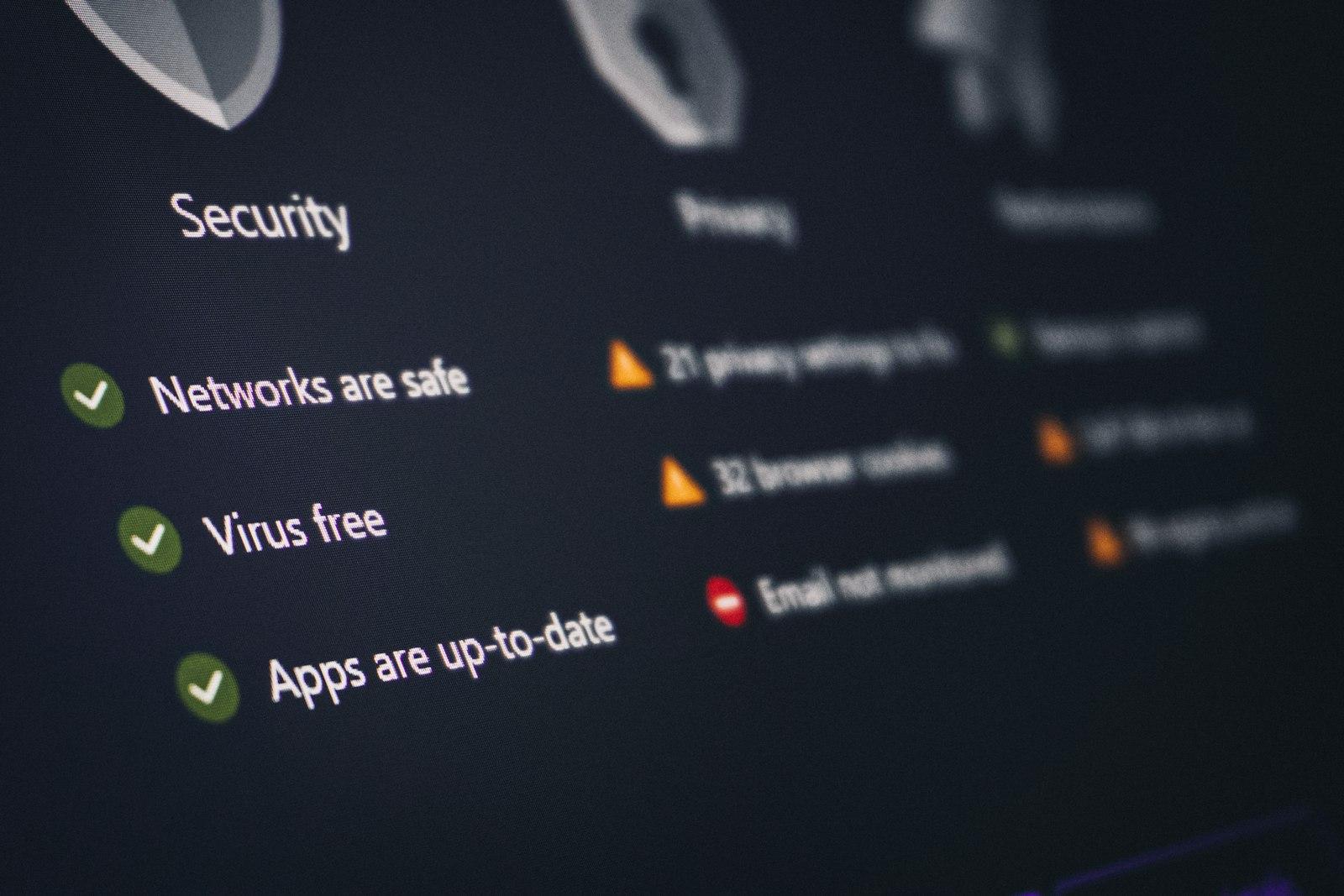
The email arrives one morning: "We are informing you that a cybersecurity incident may have compromised some of your personal information." Desjardins, Indigo, Ticketmaster, your dental clinic — breach notices have become a fact of digital life. Since November 2018, PIPEDA has required Canadian companies to notify you when a breach poses a "real risk of significant harm" — if you get this notice, it's not spam; it's serious.
Here's what to do, in order, within the first 24 hours.
Step 1 — Verify the notice is genuine (5 min)
Ironically, breach notices are often imitated by fraudsters. Never click the links in the email. Go directly to the company's website by typing the address yourself, or call the official number. Also check your email on haveibeenpwned.com to see whether the breach is listed — and browse our breach directory for public details about the incident.
Step 2 — Change the password on the affected account (10 min)
Not later, not tomorrow — now. And crucially: change it everywhere you reused it. That's where breaches do their real damage: fraudsters take compromised email/password pairs and automatically try them across dozens of other services — that's credential stuffing. If your Indigo password was also your email password, the Indigo breach just compromised your email.
Step 3 — Enable multi-factor authentication (15 min)
On the affected account first, then on your primary email and banking accounts. Prefer an authenticator app (or a hardware key) over SMS — text-message codes can be intercepted through SIM-swap fraud.
Step 4 — Assess what leaked
Not all breaches are equal. Severity depends on the data exposed:
| Data | Risk | Priority |
|---|---|---|
| Email + password | Account takeover, credential stuffing | Change immediately |
| Phone, address | Targeted phishing, solicitation | Heightened vigilance |
| Credit card | Financial fraud | Replace the card |
| SIN, driver's licence | Identity theft | Credit fraud alert |
Step 5 — If financial or identity data leaked
- Place a fraud alert with Equifax Canada and TransUnion Canada (free). Any credit application in your name will trigger an extra verification.
- Watch your statements for the coming months, not just this week.
- Be wary of calls and emails referencing the breach — fraudsters exploit the news cycle ("We'll help you claim your compensation").
Step 6 — Document and report
- Keep the notice, dates and actions taken — useful for any claim or class action.
- If you're a victim of fraud: Canadian Anti-Fraud Centre — 1-888-495-8501 or antifraudcentre-centreantifraude.ca.
- If the company mishandled the situation: a complaint is possible with the Office of the Privacy Commissioner of Canada or, in Quebec, the Commission d'accès à l'information.
The invisible part nobody tells you about
A breach doesn't stop at the affected account. Your email, phone and address end up circulating — resold, aggregated, re-exploited — feeding data broker listings for years. That's why cleaning up your broker footprint completes the crisis work: the breach supplies the fuel, the brokers do the distribution.
To find out where you stand: free exposure scan, then the risk quiz in 2 minutes.
Your data is out there — we can remove it
Run a free exposure scan, then we get your information removed from data brokers, site by site, with proof.